

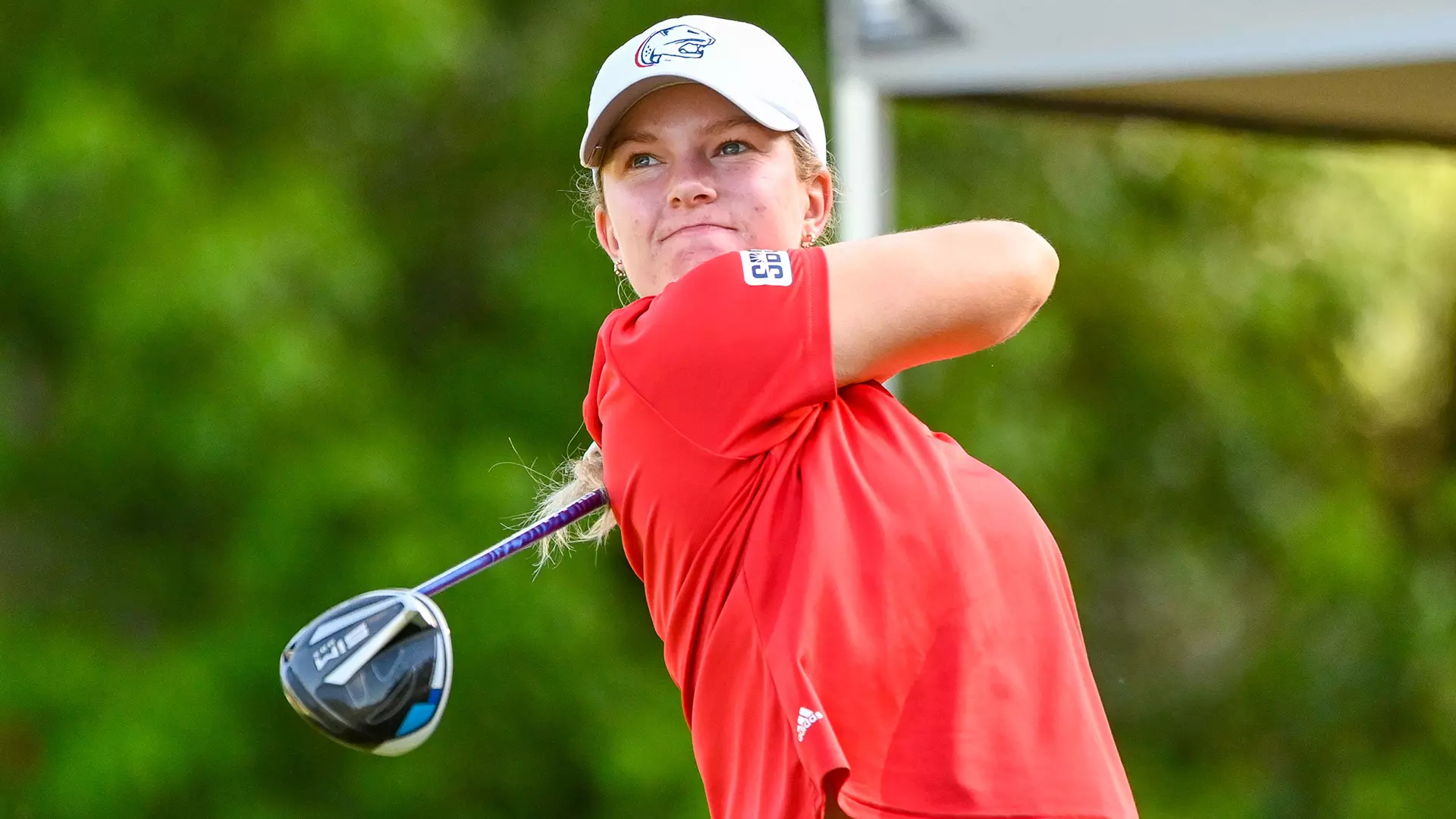
Julie Hovland has built a reputation through discipline, steady improvement, and years of competitive golf development. While searches for her name sometimes create confusion because of overlapping public references, verified records identify Julie Hovland as a Norwegian golfer and coach whose career became widely recognized through collegiate golf in the United States. Her path from Bergen, Norway, to becoming one of the most accomplished players in University of South Alabama women’s golf history reflects the growing influence of international athletes in American college sports.
Her story is not built around overnight success or professional celebrity. Instead, it represents years of tournament experience, technical growth, academic commitment, and leadership development. Hovland developed her game through Norway’s structured golf system, became a record-setting collegiate athlete, earned major conference recognition, and later transitioned into coaching. Her journey offers insight into how modern golfers build long-term careers that combine education, competition, and mentorship.
Contents
- 1 Early Life and Background in Norway
- 2 Building a Strong Foundation Through Junior Golf
- 3 The Move to America and Joining South Alabama
- 4 Growth During Her Collegiate Career
- 5 Breakthrough Seasons and Record-Setting Performances
- 6 NCAA Regional Appearance and National Recognition
- 7 Playing Style and Competitive Strengths
- 8 Transition From Athlete to Coaching Career
- 9 Lasting Impact and Public Interest Around Julie Hovland
- 10 Conclusion
Early Life and Background in Norway
Julie Hovland grew up in Bergen, Norway, where golf became an important part of her development from a young age. Norway’s golf environment has expanded significantly in recent decades, producing athletes capable of competing internationally and earning opportunities within American collegiate sports. Hovland emerged through that environment while building a strong competitive foundation during her junior years. She became associated with Oslo Golf Club, one of Norway’s recognized golf organizations, and gained experience competing against talented regional and national players.
Her education took place at Wang Toppidrett Oslo, a school known for combining elite sports development with academics. Institutions like Wang are designed to support athletes pursuing both educational goals and high-performance competition. That environment helped shape the discipline, routine, and training habits that later became visible throughout Hovland’s collegiate career.
Before reaching international attention, she developed through structured practice and consistent tournament participation. Coaches later described her as a player with strong fundamentals and experience competing inside successful team environments. That combination of technical growth and competitive maturity became central to her long-term success.
Building a Strong Foundation Through Junior Golf
Julie Hovland’s early achievements showed signs of long-term potential before she arrived in the United States. During her junior years, she collected multiple strong finishes and established herself among Norway’s promising young golfers. One of her notable accomplishments included winning the 2015 Suzann Pettersen Junior Challenge, an event associated with one of Norway’s most recognized golf figures. She also placed second at the 2016 Titleist Tour Series and earned a fifth-place finish at the Norwegian U19 Girls Championship.
She continued building momentum through participation in respected tournaments, including the Greg Norman Junior Invitational where she finished inside the top ten. Those results demonstrated consistency across different competitive settings and reinforced her reputation as a player capable of succeeding internationally. Coaches evaluating collegiate recruits often focus on adaptability and performance under pressure, and Hovland’s record suggested both qualities.
Her development was also closely tied to team competition. While individual performance remains central in golf, representing a club requires communication, resilience, and the ability to perform for collective success. Hovland contributed to Oslo Golf Club’s championship achievements and gained valuable experience in high-pressure team environments that later translated well into college golf.
The Move to America and Joining South Alabama
Julie Hovland officially joined the University of South Alabama women’s golf program for the 2017–18 season. The coaching staff viewed her as a player capable of helping establish long-term competitiveness within the program. Public comments from South Alabama’s coaching staff emphasized her experience, technical ceiling, and ability to contribute within a strong team culture.
Moving from Norway to the United States represented a major transition. Collegiate athletics in America combines academic requirements with year-round training, travel schedules, and tournament preparation. International athletes often face additional adjustments related to language, culture, and different coaching expectations. Hovland adapted successfully and quickly became an important contributor within the team environment.
Her freshman year did not focus on instant domination but instead showed gradual progress and strong development. Early tournaments demonstrated her ability to adjust and improve rapidly. Coaches highlighted her attitude and willingness to embrace instruction, traits that would later become defining elements of her career progression.
Growth During Her Collegiate Career
As Julie Hovland gained experience at South Alabama, her results steadily improved. She became known for consistency, reliable scoring, and strong tournament performances across different conditions. During her early collegiate seasons, she recorded multiple top finishes and showed the ability to remain competitive against strong fields.
One of the early examples of her development appeared at the Xavier Invitational, where she earned her first collegiate top-20 finish. Coaches pointed to her growth mindset and commitment to daily improvement as reasons for her continued progress. Rather than relying on isolated standout rounds, she developed a reputation for steady tournament play across all rounds.
That approach became increasingly valuable as competition intensified. Collegiate golf rewards consistency over entire seasons rather than occasional peak performances. Hovland continued improving her scoring averages and demonstrated greater confidence in pressure situations, helping establish herself as one of the program’s most dependable athletes.
Breakthrough Seasons and Record-Setting Performances
Julie Hovland’s biggest breakthrough arrived during the 2020–21 season. She produced one of the strongest campaigns in South Alabama women’s golf history and emerged as one of the top players in the Sun Belt Conference. Her season included tournament victories, repeated top finishes, and scoring numbers that placed her among the conference leaders.
One of her most significant accomplishments was becoming the Sun Belt Women’s Golfer of the Year in 2021. She led the conference with a scoring average of 71.81 and finished under par across the season while recording seven top-10 finishes in nine tournament appearances. She also earned medalist honors at both the USA Intercollegiate and Lady Red Wolves Classic.
Her individual victories reflected complete tournament performances rather than single exceptional rounds. Reports describing her success emphasized controlled decision-making, reliable driving, and strong putting. Coaches repeatedly noted her ability to stay in position throughout tournaments, reducing mistakes and allowing opportunities to create separation from competitors.
NCAA Regional Appearance and National Recognition
Julie Hovland reached another major milestone by earning an at-large invitation to the NCAA Women’s Golf Regional Championship. This achievement carried special significance because she became the first golfer in South Alabama program history to earn that distinction individually. NCAA regional appearances represent recognition among the strongest collegiate golfers nationally and require sustained excellence over an entire season.
Her selection reflected more than scoring averages. Tournament results, strength of schedule, consistency, and national competitiveness all influence qualification decisions. By reaching regionals, Hovland demonstrated that she could compete beyond conference play and measure herself against elite collegiate talent across the country.
Earlier in her college career she had already gained postseason experience through NCAA regional competition as part of team participation. Those experiences helped prepare her for later individual opportunities and reinforced her reputation as a dependable competitor capable of performing under increased pressure.
Playing Style and Competitive Strengths
Julie Hovland’s success was built on consistency rather than dramatic swings in performance. Tournament reports frequently highlighted her ability to maintain control over multiple rounds and limit costly mistakes. Her strongest seasons reflected balanced golf with effective driving, solid approach play, and reliable putting under pressure.
Coaches often emphasized her decision-making and disciplined approach. Elite golf requires more than technical skill because players must constantly manage risk, adjust to changing conditions, and maintain emotional control. Hovland’s results suggest that she developed those qualities alongside her physical game.
Her scoring records also point to an ability to combine patience with aggressive opportunities when appropriate. Rather than forcing outcomes, she appeared comfortable building strong rounds through efficient course management and minimizing errors. Those traits frequently separate successful collegiate players from inconsistent competitors.
Transition From Athlete to Coaching Career
After completing her collegiate playing career, Julie Hovland remained involved in golf through coaching. She returned to South Alabama as a graduate assistant and continued developing leadership skills while working within the women’s golf program. That transition allowed her to apply competitive experience directly to athlete development.
Her coaching responsibilities expanded further when she joined the University of Illinois women’s golf staff as an assistant coach. Illinois leadership described her as someone with strong communication skills, coaching experience, and the ability to connect effectively with athletes. Moving into coaching represented a natural extension of her years spent competing at a high level.
Athletes who move directly into coaching often bring unique advantages because they understand modern training methods and recent competitive realities. Hovland’s experience navigating both European and American systems gives her a broader perspective that can benefit developing players.
Lasting Impact and Public Interest Around Julie Hovland
Interest in Julie Hovland continues because her story represents more than tournament results. She reflects broader trends in women’s sports, international collegiate recruiting, and long-term athlete development. Her journey shows how education and sport increasingly work together rather than existing as separate goals.
Her career also highlights the growing presence of Norwegian golfers in American college systems. International athletes continue reshaping collegiate golf by bringing different experiences and competitive styles into NCAA programs. Hovland’s success helped reinforce that pathway for future players considering similar opportunities.
Although public attention often focuses on championships and awards, her story demonstrates that long-term athletic success is frequently built through gradual improvement, adaptability, and sustained effort over many years. That perspective helps explain why interest in her career continues beyond her playing years.
Conclusion
Julie Hovland career represents a complete journey through modern competitive golf. From Bergen and Oslo Golf Club to record-setting performances at South Alabama and leadership roles in collegiate coaching, she built success through discipline, consistency, and continuous development. Her achievements include junior victories, conference honors, NCAA regional qualification, program records, and continued influence within women’s golf.
Her path also shows that meaningful athletic careers extend beyond competition. Education, coaching, mentorship, and long-term contribution remain important parts of the story. Julie Hovland’s experience demonstrates how sustained growth and commitment can create impact long after tournament rounds are complete.