

Contents
- 1 Introduction
- 2 Early Life and Passion for Automotive Engineering
- 3 Education and Technical Development
- 4 JD Engineering and Professional Growth
- 5 Motorsport Involvement and Racing Experience
- 6 Engineering Philosophy and Tuning Methodology
- 7 Influence in the Volkswagen Audi Group Community
- 8 Innovation in ECU Tuning and Automotive Technology
- 9 Current Work and Industry Standing
- 10 Conclusion
Introduction
Jeroen Dik is a Dutch automotive engineer, performance tuner, and motorsport figure best known for his work in the European tuning industry and his association with JD Engineering. His name is closely linked with Volkswagen Audi Group (VAG) performance tuning, where he built a reputation for combining engineering precision with real-world driving reliability. Unlike many figures in the automotive tuning world who rely heavily on marketing or hype, Jeroen Dik is recognized for a more technical and data-driven approach.
Over the years, his work has become widely discussed among car enthusiasts, particularly those interested in ECU remapping, turbocharged engine optimization, and performance enhancement without sacrificing engine durability. JD Engineering, the company he is most associated with, reflects his philosophy of controlled performance improvement based on mechanical understanding and testing rather than aggressive modification.
His influence extends beyond the Netherlands, reaching a broader European automotive audience that values practical engineering solutions. Understanding Jeroen Dik’s career requires looking at his technical background, his tuning philosophy, his motorsport involvement, and his contribution to modern ECU-based performance development.
Early Life and Passion for Automotive Engineering
Jeroen Dik was born and raised in the Netherlands, a country known for its strong engineering culture and advanced automotive infrastructure. From an early age, he developed a strong interest in mechanical systems and vehicles, particularly how engines function and how performance can be improved through technical adjustments. This curiosity laid the foundation for his future career in automotive tuning.
During his early years, he was more focused on understanding how machines worked internally rather than simply using them. This mindset is often seen in individuals who later become engineers or technical specialists. His fascination with engines, combustion systems, and mechanical efficiency eventually evolved into a deeper interest in automotive performance optimization.
As he grew older, this passion shifted from curiosity into practical experimentation. Like many self-driven engineers, he began exploring how modifications affect engine behavior, which later helped him build a structured understanding of performance tuning. This early development phase was crucial in shaping his analytical approach to automotive engineering.
Education and Technical Development
While detailed academic records about Jeroen Dik are not widely published, his professional work strongly reflects a deep understanding of automotive engineering principles. His expertise suggests formal or practical training in mechanical systems, engine technology, and electronic control systems, especially ECU-based engine management.
His technical development is closely tied to the evolution of modern automotive electronics. As vehicles transitioned from purely mechanical systems to electronically controlled engines, Jeroen Dik adapted by focusing on ECU mapping and software-based performance tuning. This shift allowed him to stay relevant in a rapidly changing automotive industry.
His understanding of engine parameters such as boost pressure, fuel injection timing, air-fuel ratios, and torque management systems reflects years of hands-on experience. This knowledge became the backbone of his professional identity and later played a major role in the success of JD Engineering.
JD Engineering and Professional Growth
JD Engineering is the most recognized professional platform associated with Jeroen Dik. The company is based in the Netherlands and specializes in performance tuning, particularly for Volkswagen, Audi, Seat, and Skoda vehicles under the VAG umbrella. It is widely respected for its focus on reliability-oriented tuning solutions.
Under Jeroen Dik’s influence, JD Engineering developed a reputation for precise ECU remapping that enhances performance while maintaining engine safety. Instead of pushing engines to their absolute limits, the company emphasizes balanced tuning that improves horsepower and torque while preserving long-term durability. This philosophy helped JD Engineering gain trust among everyday drivers as well as automotive enthusiasts.
The company’s success is built on consistent testing, data analysis, and engineering discipline. Every tuning solution is designed with real-world usability in mind, ensuring that vehicles remain smooth, responsive, and reliable even after modifications. This approach distinguishes JD Engineering from many competitors in the performance tuning market.
Motorsport Involvement and Racing Experience
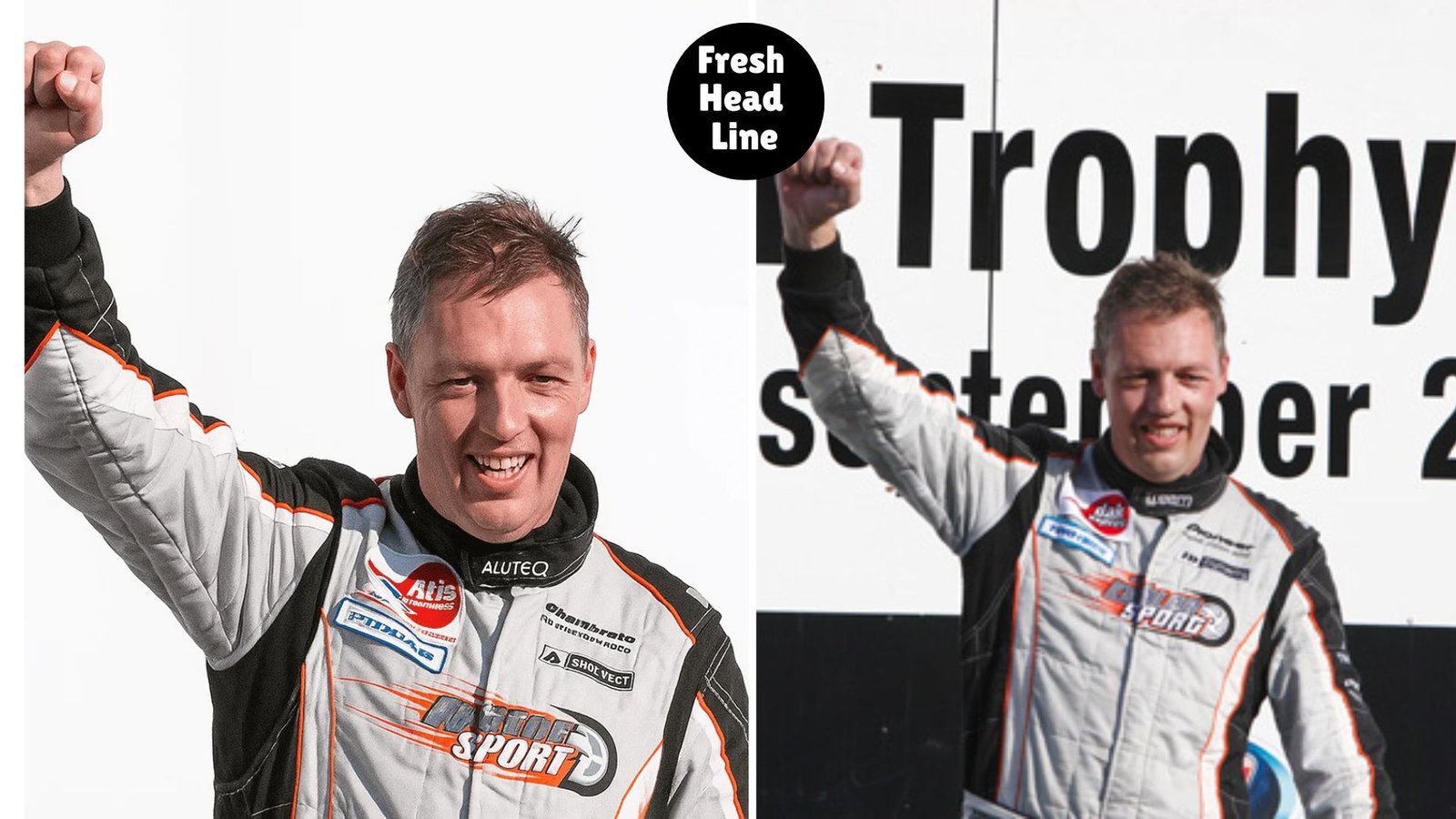
Jeroen Dik’s connection to motorsport has played an important role in shaping his engineering perspective. His racing experience provided practical insights into how modified engines behave under high stress conditions, such as sustained high RPM, heat load, and rapid acceleration scenarios. This real-world feedback helped refine his tuning methods.
Racing is not just a hobby in his case but also a testing environment for engineering ideas. Many of the tuning principles applied at JD Engineering are influenced by lessons learned on the track, where performance reliability is just as important as speed. This connection between engineering and motorsport strengthens the credibility of his technical approach.
Through motorsport involvement, he developed a deeper understanding of vehicle dynamics, traction control, and drivetrain efficiency. These insights are essential when tuning modern turbocharged engines, where small adjustments can significantly impact performance and reliability.
Engineering Philosophy and Tuning Methodology
Jeroen Dik is widely known for his disciplined engineering philosophy, which prioritizes reliability, balance, and precision. His tuning methodology is based on the idea that performance should enhance the driving experience without compromising the mechanical integrity of the engine. This principle has guided much of his professional work.
His approach relies heavily on data analysis and controlled testing. Instead of making random adjustments, tuning decisions are based on measurable engine parameters. This includes monitoring airflow, exhaust temperatures, turbo efficiency, and fuel delivery systems. By analyzing these variables, he ensures that performance gains remain safe and sustainable.
Another key element of his philosophy is consistency. He believes that a well-tuned engine should perform reliably under different driving conditions, whether in city traffic or on highways. This balance between performance and durability has become a defining characteristic of JD Engineering’s reputation.
Influence in the Volkswagen Audi Group Community
One of the strongest areas of Jeroen Dik’s influence is within the Volkswagen Audi Group tuning community. VAG vehicles are known for their turbocharged engines and ECU-based control systems, making them ideal platforms for advanced tuning techniques. JD Engineering has become a trusted name among VAG enthusiasts.
His work is particularly respected in this community because of its focus on safe and realistic performance improvements. Many tuning companies focus on maximum power output, but Jeroen Dik’s approach emphasizes drivability and engine longevity. This has earned him credibility among drivers who use their vehicles daily rather than exclusively for racing.
Over time, JD Engineering has become associated with dependable tuning solutions for engines like TSI, TFSI, and TDI platforms. His influence has helped shape expectations within the VAG tuning community, where reliability is now considered just as important as performance gains.
Innovation in ECU Tuning and Automotive Technology
A major part of Jeroen Dik’s contribution to the automotive industry is his work in ECU tuning innovation. Modern vehicles rely heavily on electronic control units to manage engine performance, and understanding these systems is essential for effective tuning. His expertise in this area has helped advance modern tuning practices.
His approach integrates software calibration with mechanical understanding, allowing for precise modifications to engine behavior. This includes optimizing torque curves, improving throttle response, and enhancing turbo efficiency. By focusing on ECU-level adjustments, he ensures that improvements are both effective and controlled.
This method represents a shift in the automotive tuning industry, where digital engineering is becoming more important than traditional mechanical modifications. His work reflects the broader transformation of the industry toward software-driven performance optimization.
Current Work and Industry Standing
Today, Jeroen Dik continues to be associated with JD Engineering and remains active in the automotive performance sector. His work continues to focus on improving tuning methods, refining ECU calibration techniques, and maintaining high standards of reliability in performance upgrades.
While he does not maintain a highly public media presence, his reputation within automotive engineering circles remains strong. JD Engineering continues to operate as a respected tuning company, serving customers who value technical precision and dependable performance results.
His ongoing contribution to the industry reflects long-term consistency rather than short-term popularity. In the automotive world, this type of reputation is built through years of reliable results and satisfied customers rather than marketing exposure.
Conclusion
Jeroen Dik represents a technical and disciplined approach to automotive engineering and performance tuning. His work with JD Engineering has helped redefine how tuning is understood in the modern automotive world, especially within the Volkswagen Audi Group community. By focusing on reliability, data-driven engineering, and ECU-based optimization, he has created a tuning philosophy that prioritizes balance over extreme performance.
His influence continues to be felt in both professional tuning circles and enthusiast communities, where his methods are respected for their practicality and consistency. While he may not be a mainstream public figure, his contribution to automotive engineering is significant and long-lasting.